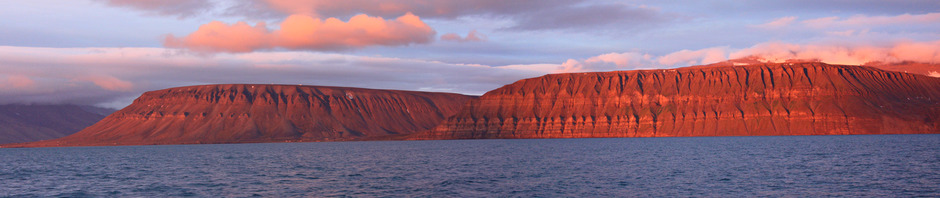
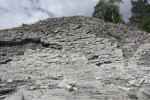
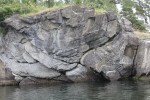
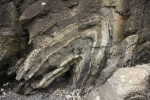
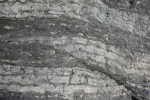
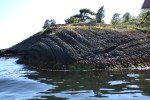
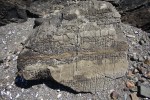
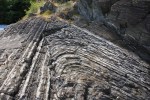
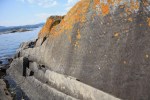
Oslo fjord was an area of my research study during PhD. Most of the pictures presented here were taken during the filed work.
Oslo Fjord
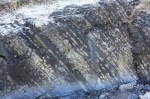
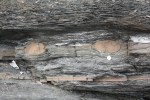
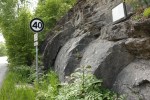
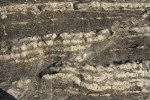
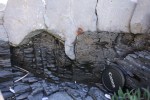
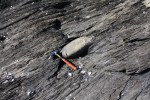
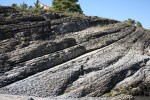
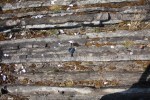
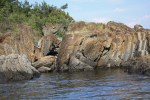
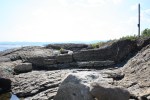
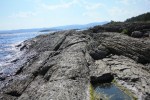
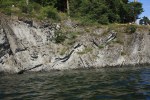
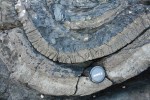
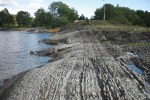
Continental collision (485-420 Ma) between Baltica and Laurentia plates in the middle to late Silurian triggered building of the Caledonian mountain chain. At that time in the eastern margin of the orogen in the foreland, fold and thrust belt (FTB) was formed. Most of the FTB was removed due to erosion and only remnants of these rocks, up to several hundred meters thick, are preserved thanks to the subsidence of the Oslo Rift that formed during Carboniferous-Permian time. Fold and thrust belt represents a Cambro-Sillurian sequence of rocks with distinctly alternating rheological behaviour. A characteristic feature is that the limestone layers are not always continues but often consist of the aligned nodules. These continues and nodular layers are often deformed forming folds on various scales. Folds in the nodular layers were the subject of research during my PhD studies.




 Marta Adamuszek